

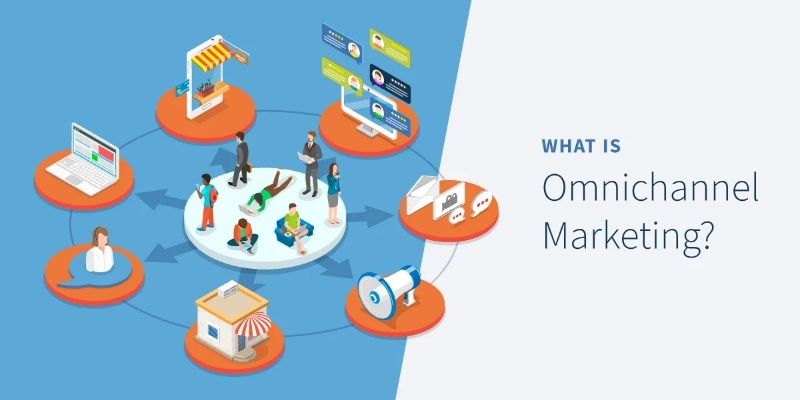
Omnichannel Marketing has emerged as the gold standard for delivering seamless, personalized experiences — whether a customer interacts via social media, email, in-store, or mobile app. This approach doesn’t just improve customer satisfaction; it directly drives revenue, loyalty, and long-term brand equity. Understanding how to implement it effectively is no longer optional — it’s a competitive necessity.
What omnichannel marketing really means in modern business
Many marketers confuse omnichannel marketing with multichannel marketing, but the distinction is critical. Multichannel simply means being present on multiple platforms. Omnichannel marketing, by contrast, ensures that every channel works in harmony — sharing data, maintaining consistent messaging, and adapting to individual customer behavior in real time. The customer journey becomes fluid rather than fragmented, and every interaction feels intentional and connected.

The role of data integration in omnichannel execution
Effective omnichannel marketing starts with unified data. When customer data from email, social, web, and in-store interactions is siloed, personalization becomes impossible. Integrating these data streams through a CDP (Customer Data Platform) allows marketers to build accurate customer profiles and trigger relevant messages at the right moment across every channel simultaneously.
Customer journey mapping as a strategic foundation
Before launching any omnichannel marketing campaign, brands must map the full customer journey. This means identifying every touchpoint — from the first ad impression to post-purchase support — and understanding how customers move between them. Journey mapping reveals gaps in the experience and highlights where personalization or automation can have the greatest impact on conversion and retention.
Technology stack requirements for seamless channel integration
A robust omnichannel marketing strategy demands the right tech infrastructure. Marketers typically rely on a combination of marketing automation platforms, CRM software, analytics dashboards, and content management systems. Tools like Salesforce, HubSpot, or Adobe Experience Cloud are commonly used to orchestrate cross-channel campaigns, ensuring consistent messaging and real-time responsiveness across all customer touchpoints.
Why customer experience consistency drives omnichannel success
Consistency is what separates effective omnichannel marketing from disconnected brand communication. Customers today expect a seamless experience whether they interact with a brand through social media, email, mobile apps, websites, or physical stores. If messaging, offers, or support quality vary between channels, trust quickly declines and conversion opportunities are lost.
Maintaining a unified customer experience requires brands to align tone of voice, visual identity, promotions, and support processes across every touchpoint. This consistency not only strengthens brand recognition but also reduces friction during the buying journey. When customers feel recognized and understood regardless of where they engage, loyalty increases naturally, leading to higher retention rates and stronger lifetime customer value.
Key omnichannel marketing strategies that drive measurable results
Understanding the theory behind omnichannel marketing is one thing — executing it with precision is another. The most successful brands combine behavioral segmentation, dynamic content personalization, and cross-channel attribution to continuously refine their approach. Below is a comparative overview of core strategies and their primary impact areas, helping marketers prioritize where to invest their resources most effectively.
| Strategy | Primary channel | Key benefit | Measurement metric |
| Behavioral retargeting | Paid social, display | Re-engages high-intent users | ROAS, conversion rate |
| Email + SMS automation | Email, mobile | Nurtures leads through the funnel | Open rate, CTR, revenue per send |
| In-store + digital sync | Physical + online | Unifies offline and online behavior | Customer lifetime value (CLV) |
| Loyalty program integration | App, email, POS | Increases repeat purchase frequency | Retention rate, NPS |
| Personalized content delivery | Web, email, app | Boosts engagement and time on site | Engagement rate, session duration |
How to build and scale an omnichannel marketing program
Building a scalable omnichannel marketing program requires more than technology — it demands organizational alignment. Marketing, sales, IT, and customer service teams must operate with shared goals and shared data. Without internal alignment, even the most sophisticated platform will fail to deliver a consistent customer experience. Many leading agencies, including ADVENTURE MEDIA, help brands bridge these internal gaps by designing integrated marketing architectures from the ground up.

Personalization at scale using AI and machine learning
One of the most powerful enablers of omnichannel marketing today is artificial intelligence. Machine learning algorithms analyze vast amounts of behavioral data to predict customer intent and automatically deliver the most relevant content or offer at each touchpoint. This level of personalization at scale was previously impossible, but is now a defining advantage for brands that invest in AI-driven marketing infrastructure.
Cross-channel attribution models that reflect real customer behavior
Traditional last-click attribution severely undervalues the contribution of upper-funnel channels in an omnichannel marketing strategy. Data-driven attribution models — such as Shapley value or time-decay — distribute credit more accurately across all touchpoints. This enables smarter budget allocation, ensures no channel is systematically underinvested, and gives marketers a clearer picture of what’s truly driving conversions throughout the full customer journey.
Continuous testing and optimization across all channels
Successful omnichannel marketing is never static. The most effective programs are built around a culture of continuous experimentation — A/B testing subject lines, creative formats, offer structures, and channel sequencing. By systematically testing and iterating, brands can identify which combinations of touchpoints produce the highest engagement and conversion rates, then scale those winning formulas across their entire customer base with confidence.
Conclusion
In a world where customers move fluidly between devices, platforms, and physical spaces, omnichannel marketing is the only strategy that keeps pace with modern buyer behavior. Brands that invest in unified data, intelligent personalization, and cross-channel orchestration consistently outperform those operating in silos. Whether you’re just beginning your journey or looking to scale an existing program, the principles outlined here provide a clear roadmap for building customer experiences that convert, retain, and inspire lasting loyalty.