
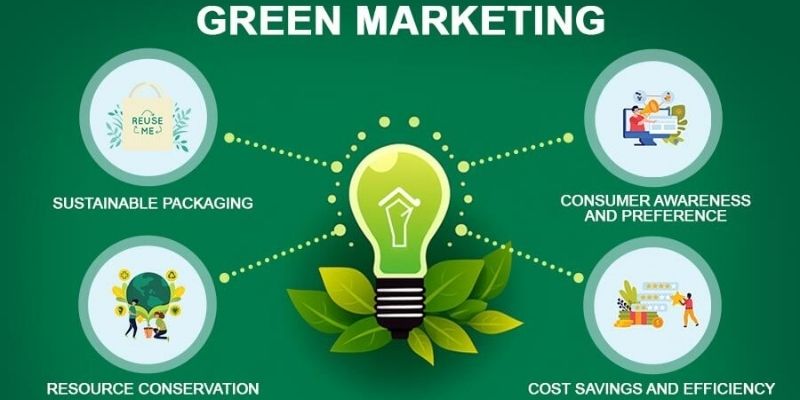
In today’s rapidly evolving business landscape, Green Marketing has emerged as one of the most powerful strategies for brands that want to align profitability with environmental responsibility. As consumers become increasingly aware of climate change and ecological impact, companies that embrace sustainable practices are gaining a significant competitive edge. This article explores the core concepts, strategic frameworks, and real-world applications of green marketing to help modern businesses thrive while contributing to a healthier planet.
What is green marketing and why does it matter now
Green marketing refers to the process of promoting products, services, and brand values based on their environmental benefits. Unlike conventional marketing, this approach integrates sustainability into every stage of the business cycle — from product development and packaging to distribution and consumer communication. The growing urgency around climate action has transformed green marketing from a niche trend into a mainstream business imperative that resonates deeply with today’s eco-conscious audiences.

The evolution of green marketing over the decades
Green marketing first gained traction in the 1980s as environmental movements began influencing purchasing decisions. Early efforts focused on biodegradable packaging and energy-saving products. By the 2000s, the concept expanded to include carbon footprint reduction, ethical sourcing, and lifecycle assessments. Today, it encompasses a holistic brand philosophy where sustainability is woven into corporate identity and stakeholder communication.
Core principles that define a green marketing strategy
An effective green marketing strategy is built on transparency, measurability, and genuine environmental commitment. Brands must set clear sustainability goals, communicate them honestly, and back every claim with verifiable data. This includes using certified eco-labels, publishing sustainability reports, and engaging in third-party audits. When these principles are consistently applied, green marketing becomes a credible differentiator rather than a superficial campaign.
Consumer behavior and the demand for sustainable brands
Modern consumers, especially millennials and Gen Z, actively seek brands that reflect their environmental values. Research by Edelman shows that 64% of consumers are belief-driven buyers who choose brands based on social and environmental stance. This behavioral shift means that marketing green is no longer optional — it is a strategic necessity for companies that want to remain relevant and competitive in a values-driven marketplace.
The relevance of green marketing has never been stronger. A 2023 Nielsen report revealed that over 73% of global consumers say they would definitely or probably change their consumption habits to reduce environmental impact. This shift in consumer psychology creates both a challenge and an opportunity for marketers. Brands that communicate their sustainability credentials authentically can build lasting loyalty, while those that engage in “greenwashing” — making false or exaggerated eco-claims — risk severe reputational damage and regulatory consequences.
Key components of an effective green marketing campaign

Building a successful green marketing campaign requires more than adding a leaf icon to your logo. It demands a structured approach that integrates sustainable messaging across all marketing channels while remaining grounded in authentic environmental action. The following table outlines the essential components that distinguish high-performing green marketing initiatives from superficial ones.
| Component | Description | Example |
| Eco-product design | Products developed with minimal environmental impact | Biodegradable packaging, recycled materials |
| Transparent communication | Honest disclosure of environmental claims | Carbon-neutral certifications, lifecycle reports |
| Green pricing strategy | Pricing that reflects sustainable production costs | Premium pricing for certified organic goods |
| Sustainable distribution | Logistics designed to minimize carbon emissions | Electric delivery fleets, local sourcing |
| Digital green campaigns | Online initiatives that promote eco-awareness | Social media challenges, influencer partnerships |
| Stakeholder engagement | Involving consumers, employees, and partners | Community clean-up events, supplier audits |
Green marketing strategies that deliver measurable business results
Implementing green marketing effectively requires businesses to go beyond surface-level messaging and embed sustainability into their core value proposition. Companies like Patagonia, IKEA, and Unilever have demonstrated that authentic environmental commitment can drive significant revenue growth, customer retention, and brand equity. The key lies in aligning marketing narratives with tangible operational changes that consumers can see, feel, and trust over time.

Content marketing and storytelling for sustainability
Storytelling is one of the most powerful tools in green marketing. Brands that share compelling narratives about their sustainability journey — including challenges, milestones, and future goals — create emotional connections with audiences. Content formats such as documentary-style videos, impact reports, and behind-the-scenes blog posts help humanize the brand’s environmental mission and build long-term credibility with eco-conscious consumers.
SEO and digital channels for green brand visibility
Digital marketing plays a critical role in amplifying a brand’s green marketing message. Search engine optimization, social media campaigns, and email marketing allow companies to reach environmentally aware audiences at scale. Optimizing content around keywords like “sustainable products,” “eco-friendly brands,” and “carbon-neutral services” helps attract high-intent organic traffic. Agencies like ADVENTURE MEDIA specialize in developing data-driven digital strategies that help brands communicate their sustainability story effectively across multiple platforms.
Measuring ROI and impact
One of the most overlooked aspects of green marketing is measurement. Brands must track both environmental impact metrics — such as CO2 emissions reduced, waste diverted, or water saved — and business performance indicators like brand sentiment, customer lifetime value, and conversion rates. Regular reporting against these benchmarks not only demonstrates accountability but also provides valuable insights for refining campaigns and strengthening the brand’s sustainability positioning over time.
Conclusion
Green marketing is no longer a trend — it is a fundamental shift in how businesses must operate and communicate in the modern world. From building authentic brand narratives to leveraging digital channels and measuring real-world impact, the strategies outlined in this article provide a solid foundation for any company ready to lead with purpose. Brands that commit to genuine sustainability will not only contribute to a better planet but will also unlock deeper consumer trust, stronger loyalty, and long-term business growth in an increasingly eco-conscious marketplace.