
In today’s fast-paced digital landscape, Data-Driven Marketing has emerged as one of the most powerful approaches for businesses looking to connect with their audiences more effectively. By leveraging real-time analytics, consumer behavior insights, and measurable campaign performance, marketers can make smarter decisions that drive genuine growth. This article explores the core principles, practical strategies, and measurable benefits that make data-driven marketing an essential discipline for modern brands.
What is data-driven marketing and why does it matter?
At its core, data-driven marketing is the practice of using collected data — from customer interactions, purchase histories, website analytics, and social media behavior — to guide every marketing decision. Rather than relying on intuition or broad assumptions, marketers analyze patterns and trends to craft campaigns that resonate with specific audience segments. This approach transforms marketing from a creative guessing game into a measurable, optimized science that consistently delivers higher ROI and deeper customer engagement.
The role of consumer data in shaping strategy
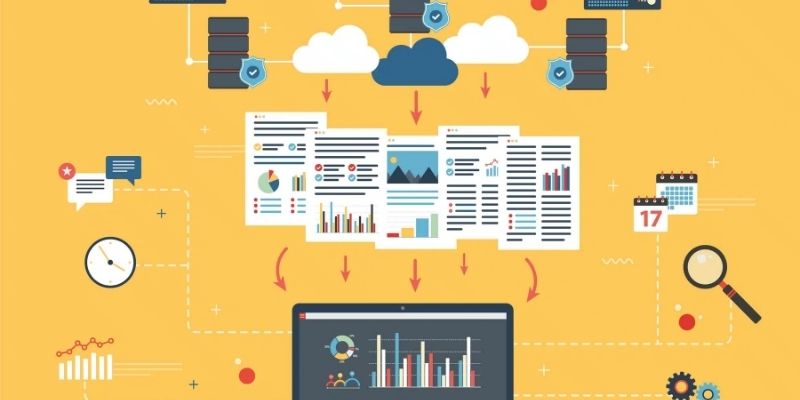
Consumer data sits at the heart of any effective data-driven marketing strategy. First-party data collected through CRM systems, email subscriptions, and on-site behavior offers the most reliable foundation. When marketers understand who their customers are, what motivates their decisions, and when they are most likely to convert, they can design campaigns that feel relevant and timely rather than intrusive or generic.
The relevance of data-driven marketing has grown exponentially with the rise of digital channels. Consumers today leave behind a rich trail of behavioral signals — from the emails they open to the products they browse but never buy. Organizations that capture and interpret these signals gain a significant competitive edge. They can personalize messaging at scale, allocate budgets more efficiently, and reduce wasted ad spend. In short, adopting a data-first mindset is no longer optional; it is a fundamental requirement for sustainable marketing success.
Key data sources every marketer should leverage
Successful data-driven marketing draws from multiple data streams simultaneously. Web analytics platforms like Google Analytics 4 provide traffic and conversion data, while CRM tools capture the full customer lifecycle. Social listening tools reveal brand sentiment, and third-party intent data uncovers prospects actively researching your category. Integrating these sources into a unified customer view is what separates high-performing teams from those still operating in silos.
How data quality directly impacts campaign outcomes
Even the most sophisticated data-driven marketing framework collapses without clean, accurate data. Duplicate records, outdated contact information, and inconsistent tracking parameters create misleading insights that lead to poor decisions. Investing in data hygiene, proper tagging architectures, and regular audits ensures that every analysis reflects reality. Clean data is not a technical luxury — it is the operational backbone of every campaign that delivers measurable results.
Core strategies that power data-driven marketing success
Understanding what data-driven marketing means is only the beginning. Translating data insights into actionable strategies requires a structured approach that connects analytics to execution. The most effective marketers build systematic frameworks around audience segmentation, predictive modeling, and continuous testing. These strategies allow teams to move beyond static campaigns and instead create dynamic, responsive marketing ecosystems that evolve alongside customer behavior and market conditions.
Audience segmentation and personalization at scale
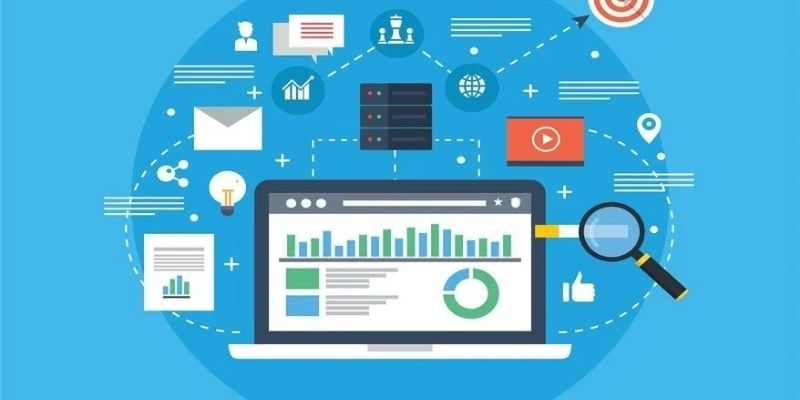
Segmentation is the cornerstone of data-driven marketing. By dividing audiences into meaningful clusters based on demographics, purchase behavior, or engagement history, marketers deliver messages that speak directly to individual needs. Advanced personalization engines can now serve unique content variations to thousands of micro-segments simultaneously, dramatically increasing click-through rates, conversion rates, and long-term customer loyalty without proportionally increasing production costs.
Predictive analytics and customer lifetime value modeling
Predictive analytics elevates data-driven marketing from reactive to proactive. By analyzing historical patterns, machine learning models can forecast which leads are most likely to convert, which customers are at risk of churning, and which product recommendations will drive the next purchase. Customer lifetime value modeling helps teams prioritize high-value segments for premium experiences, ensuring that marketing investments are concentrated where they generate the greatest long-term returns.
A/B testing and continuous optimization loops
No data-driven marketing strategy is complete without a rigorous testing culture. A/B and multivariate tests allow marketers to validate hypotheses about messaging, creative formats, landing page layouts, and call-to-action placement. Each test generates new data that feeds back into the optimization cycle, creating a compounding improvement effect over time. Teams at ADVENTURE MEDIA consistently apply this iterative methodology to ensure every campaign element is evidence-based rather than assumption-driven.
Measuring the impact: a data-driven marketing performance framework

One of the most compelling advantages of data-driven marketing is the ability to measure impact with precision. The following table outlines the key performance indicators, their definitions, and their strategic importance across the customer funnel. Understanding these metrics helps marketing teams align their reporting with business objectives and communicate value clearly to stakeholders at every level of the organization.
| KPI | Definition | Funnel stage | Strategic importance |
| Customer Acquisition Cost (CAC) | Total spend divided by new customers acquired | Top of funnel | Measures efficiency of awareness and lead gen campaigns |
| Conversion Rate (CVR) | Percentage of visitors completing a desired action | Mid funnel | Indicates landing page and offer effectiveness |
| Customer Lifetime Value (CLV) | Projected revenue from a customer over their relationship | Bottom of funnel | Guides budget allocation toward high-value segments |
| Return on Ad Spend (ROAS) | Revenue generated per dollar of advertising spend | Full funnel | Directly links marketing investment to revenue output |
| Churn Rate | Percentage of customers lost over a given period | Retention | Identifies gaps in post-purchase experience and loyalty programs |
| Email Open Rate | Percentage of recipients who open a marketing email | Engagement | Reflects subject line quality and audience relevance |
Conclusion
Embracing data-driven marketing is not simply about adopting new tools — it is about fundamentally changing how decisions are made across the entire marketing function. When organizations commit to collecting quality data, building analytical capabilities, and fostering a culture of continuous testing, they unlock a compounding advantage that grows stronger over time. The brands that thrive in the next decade will be those that treat every data point as an opportunity to better understand and serve their customers with precision and purpose.