
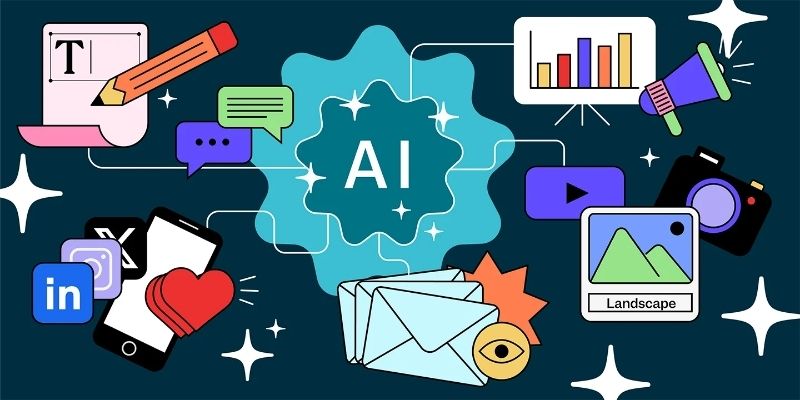
In today’s fast-moving digital landscape, AI Marketing Tools have become indispensable for businesses looking to scale smarter and faster. From automating repetitive tasks to generating data-driven insights, these tools are reshaping how brands connect with their audiences. Whether you’re a startup founder or a seasoned marketer, understanding how to leverage AI in your strategy is no longer optional — it’s a competitive necessity that defines long-term growth.
What are AI marketing tools and why do they matter?
At their core, AI marketing tools are software platforms powered by machine learning, natural language processing, and predictive analytics to help marketers make smarter decisions. Unlike traditional marketing software, these tools don’t just collect data — they interpret it, identify patterns, and recommend actions in real time. This shift from reactive to proactive marketing is fundamentally changing how campaigns are planned, executed, and optimized across every channel.
Core capabilities that define modern AI platforms
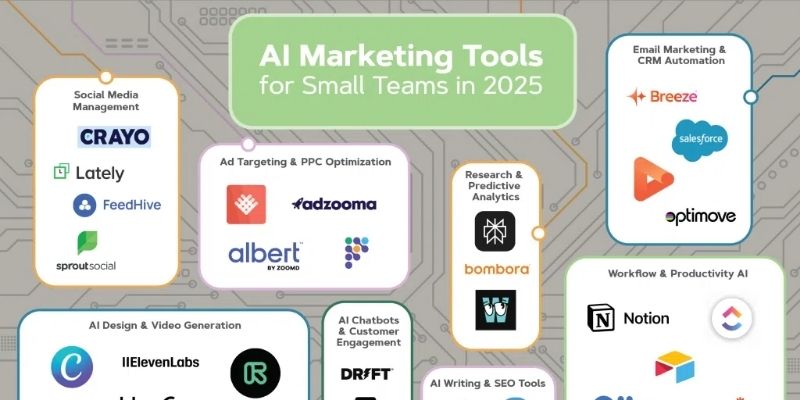
Modern AI marketing tools typically offer capabilities like predictive lead scoring, dynamic content personalization, automated A/B testing, and real-time audience segmentation. These features work together to reduce manual workload while improving campaign precision. Instead of guessing what content resonates, marketers can rely on algorithmic recommendations grounded in behavioral data and historical performance metrics.
The role of machine learning in campaign optimization
Machine learning is the engine behind most AI marketing tools today. Algorithms analyze thousands of data points — from click-through rates to scroll depth — and continuously refine targeting strategies without human intervention. This self-learning capability means campaigns improve over time, becoming more cost-efficient and more aligned with audience intent as more data flows through the system.
How natural language processing powers content intelligence
Natural language processing (NLP) enables AI marketing tools to understand, generate, and analyze human language at scale. Tools like AI copywriters, sentiment analyzers, and chatbots all rely on NLP to deliver contextually relevant experiences. For content teams, this means faster production cycles, more consistent brand voice, and the ability to personalize messaging across thousands of audience segments simultaneously.
How AI automation improves marketing scalability
One of the biggest reasons businesses invest in AI marketing tools is scalability. As campaigns expand across multiple channels, managing workflows manually becomes increasingly inefficient and time-consuming. AI-driven automation helps teams streamline repetitive tasks such as email scheduling, customer segmentation, bid adjustments, and performance reporting without sacrificing accuracy or speed.
By automating these operational processes, marketers can focus more on strategy, creativity, and customer experience instead of getting buried in spreadsheets or dashboard monitoring. More importantly, AI systems can react instantly to changing user behavior, allowing campaigns to adapt in real time. This level of responsiveness not only improves efficiency but also creates more personalized interactions that drive stronger engagement and higher conversion rates.
Top AI marketing tools every marketer should know in 2025
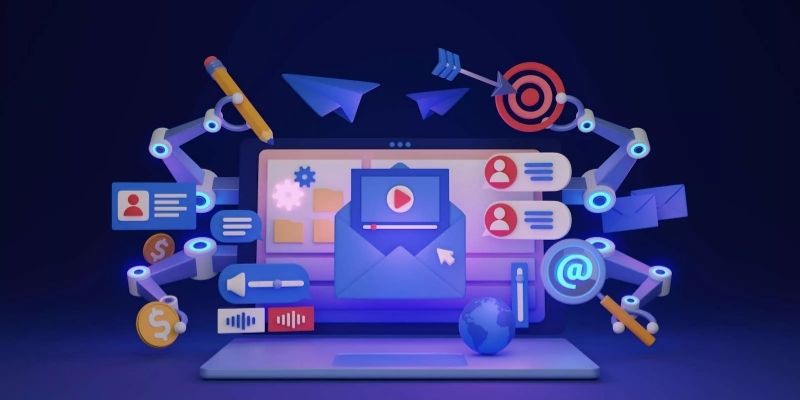
The ecosystem of AI marketing tools has expanded dramatically, making it both exciting and overwhelming to navigate. Below is a curated comparison of leading platforms that cover different aspects of the marketing funnel — from content creation and SEO to email automation and customer analytics. Choosing the right combination depends on your team’s goals, budget, and existing tech stack.
| Tool | Primary use case | Key AI feature | Best for | Pricing model |
| HubSpot AI | CRM & marketing automation | Predictive lead scoring | Mid-to-large businesses | Subscription (tiered) |
| Jasper | AI content generation | GPT-based long-form writing | Content teams & agencies | Per seat / monthly |
| Surfer SEO | On-page SEO optimization | NLP content scoring | SEO specialists | Monthly subscription |
| Persado | Emotional language optimization | Emotion AI for copywriting | Enterprise marketing teams | Enterprise pricing |
| Albert.ai | Autonomous paid media | Self-optimizing ad campaigns | Performance marketers | Custom / enterprise |
| Klaviyo | Email & SMS marketing | Predictive analytics & segmentation | E-commerce brands | Usage-based pricing |
How AI marketing tools are transforming digital strategy
Beyond individual platforms, AI marketing tools are reshaping the entire philosophy of digital strategy. Traditional marketing relied heavily on intuition, experience, and periodic reporting cycles. Today, AI enables continuous optimization — where every campaign element, from subject lines to bid strategies, is constantly being tested and refined based on live performance signals. This creates a fundamentally more agile and responsive marketing function.

Personalization at scale through predictive analytics
One of the most powerful applications of AI marketing tools is hyper-personalization. Predictive analytics platforms analyze individual user behavior to forecast future actions, enabling marketers to deliver the right message at precisely the right moment. This level of personalization — once reserved for enterprise brands with massive data teams — is now accessible to businesses of all sizes through intelligent automation.
Streamlining workflows with intelligent automation
AI marketing tools are also eliminating bottlenecks in day-to-day marketing operations. Tasks like email scheduling, social media posting, ad budget allocation, and performance reporting can all be automated with minimal human oversight. Teams at ADVENTURE MEDIA and similar forward-thinking agencies are leveraging this automation to redirect creative energy toward high-impact strategic work rather than routine execution.
Data-driven decision making across the entire funnel
Perhaps the most transformative impact of AI marketing tools is the democratization of data intelligence. Marketers no longer need a dedicated data science team to extract meaningful insights from complex datasets. AI-powered dashboards surface actionable recommendations automatically, helping teams understand which channels drive the most qualified leads, which content formats convert best, and where budget reallocation will yield the highest return on investment.
Conclusion
As the marketing landscape continues to evolve at breakneck speed, AI marketing tools represent not just a tactical advantage but a strategic imperative. From content creation and SEO to paid media and customer personalization, these platforms are enabling smarter, faster, and more impactful marketing at every stage of the funnel. Businesses that invest in the right AI stack today will be far better positioned to compete, adapt, and grow in the years ahead. If you’re ready to elevate your marketing strategy, now is the time to explore what AI can do for your brand.