

The world of digital marketing is evolving faster than ever, and staying ahead requires more than just intuition — it demands data-driven insight. Understanding Digital Marketing Trends helps businesses adapt strategies, reach target audiences more effectively, and maintain a competitive edge. From AI-powered personalization to short-form video dominance, the landscape is shifting in ways that impact every brand, marketer, and entrepreneur who wants to grow their online presence in today’s hyper-connected environment.
Why Digital Marketing Trends matter more than ever in 2025
The pace of change in digital marketing has accelerated dramatically over the past few years. Brands that fail to track digital marketing trends risk losing relevance as consumer behaviors shift and new technologies reshape how people discover, engage with, and purchase from businesses. In 2025, the convergence of artificial intelligence, behavioral data, and omnichannel experiences has created an entirely new playbook for marketers across every industry.

The rise of AI-driven content and personalization
Artificial intelligence has moved from a futuristic concept to a core marketing tool. AI now powers everything from content generation and ad targeting to customer segmentation and predictive analytics. Marketers leveraging AI-driven personalization are seeing significantly higher engagement rates, as consumers increasingly expect experiences tailored to their specific needs and preferences rather than generic messaging.
Search behavior is changing with voice and visual queries
Traditional keyword-based search is no longer the only game in town. Voice search and visual search are reshaping how users find information, products, and services. Brands that optimize for conversational queries, featured snippets, and image-based discovery are positioning themselves ahead of competitors still focused solely on conventional text-based SEO strategies in an evolving search landscape.
First-party data is the new competitive currency
As third-party cookies phase out and privacy regulations tighten globally, first-party data collection has become a strategic priority. Brands investing in owned data ecosystems — through email lists, loyalty programs, and direct customer interactions — are building more sustainable marketing foundations. This shift is one of the most consequential digital marketing trends affecting audience targeting and campaign performance measurement today.
Key Digital Marketing Trends reshaping strategy in 2025
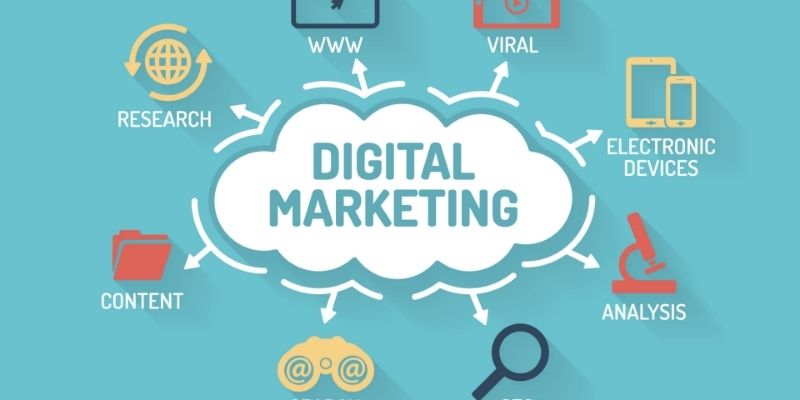
To stay competitive, marketers need a clear view of which trends are driving the biggest shifts in performance and audience engagement. The following table provides a structured overview of the most impactful digital marketing trends shaping strategy this year, including their primary impact areas and the channels most affected by each development.
| Trend | Primary impact area | Key channels affected | Adoption level (2025) |
| AI-powered personalization | Customer experience | Email, paid ads, website | High |
| Short-form video content | Brand awareness & engagement | TikTok, Instagram Reels, YouTube Shorts | Very high |
| Voice & visual search optimization | Organic discovery | SEO, Google, Pinterest | Growing |
| First-party data strategies | Audience targeting | CRM, email, loyalty programs | High |
| Conversational marketing (chatbots, AI chat) | Lead generation & retention | Website, messaging apps | Moderate to high |
| Influencer & creator economy growth | Trust & social proof | Social media, YouTube | Very high |
| Sustainability-driven brand messaging | Brand positioning | Content, social, PR | Growing |
How to apply Digital Marketing Trends to your brand strategy
Knowing the trends is only half the battle — the real value comes from translating those insights into actionable strategies that drive measurable results. Applying digital marketing trends effectively requires a structured approach that aligns new tactics with existing brand goals, audience data, and available resources. Brands that treat trend adoption as a strategic process rather than a reactive scramble consistently outperform those chasing every new shiny object.
One of the most practical frameworks for applying digital marketing trends is to evaluate each trend against three filters: audience relevance, resource feasibility, and measurable ROI potential. For example, short-form video may be a dominant trend globally, but its value for a B2B software company differs significantly from its value for a consumer lifestyle brand. Context and audience alignment should always guide implementation decisions, not trend popularity alone.
Building an omnichannel presence that actually converts
Modern consumers interact with brands across multiple touchpoints before making a decision. Building a cohesive omnichannel experience — where messaging, tone, and offers remain consistent across social media, email, search, and paid channels — is essential. Brands working with experienced partners like ADVENTURE MEDIA can develop integrated strategies that connect these touchpoints into a seamless, conversion-focused journey for every customer segment.
Leveraging content marketing as a long-term growth engine
Content marketing remains one of the most cost-effective channels for sustainable growth. High-quality, search-optimized content builds authority, drives organic traffic, and nurtures leads through every stage of the funnel. As digital marketing trends continue to evolve, brands that invest consistently in educational, entertaining, and value-driven content will compound their visibility and trust over time in ways that paid advertising alone cannot replicate.
Using analytics and attribution to refine campaign performance
Data without action is just noise. Advanced analytics platforms and multi-touch attribution models are empowering marketers to understand exactly which channels, messages, and moments drive conversions. Tracking performance against current digital marketing trends allows teams to double down on what works, cut what doesn’t, and continuously optimize their marketing mix for better efficiency and return on every dollar invested.
Conclusion
Staying informed and adaptable is the foundation of effective modern marketing. The digital marketing trends shaping 2025 — from AI personalization and first-party data to omnichannel strategy and content authority — offer real opportunities for brands willing to evolve. Whether you’re a startup or an established enterprise, integrating these trends into your strategy will position your brand for sustainable growth, deeper audience connections, and stronger competitive differentiation in an increasingly crowded digital marketplace.