
In today’s competitive business landscape, understanding the Marketing Mix is no longer optional — it’s a strategic necessity. Whether you’re launching a new product or repositioning a brand, the Marketing Mix provides a structured framework that helps businesses align their offerings with market demand. This concept has evolved significantly over the decades, yet its core principles remain foundational to every successful marketing strategy across industries worldwide.
What is the Marketing Mix and why does it matter?
The Marketing Mix is a set of controllable, tactical marketing tools that a company uses to produce the response it wants in the target market. Originally introduced by Neil Borden in the 1950s and later refined by E. Jerome McCarthy into the well-known 4Ps framework, it has since expanded to include additional elements tailored to service-based industries. Understanding this model is essential for any marketer who wants to build a coherent, data-driven go-to-market strategy.
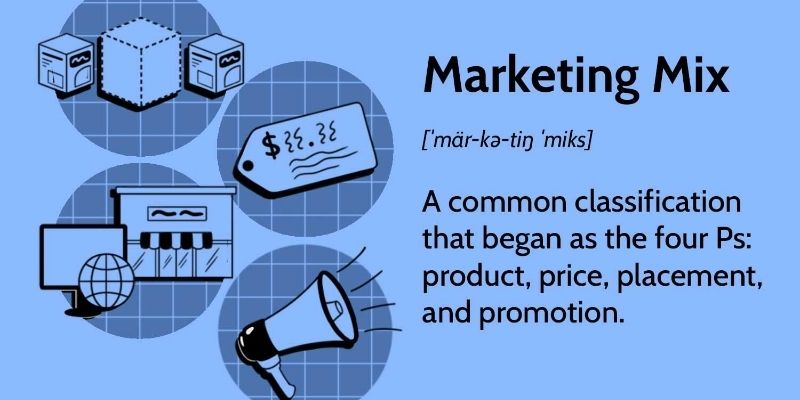
At its core, the Marketing Mix helps organizations answer fundamental questions: What are we selling? How much should we charge? Where will customers find us? And how will we communicate our value? These questions seem straightforward, but the interplay between each element is what makes the model both powerful and nuanced. A misstep in one area — say, pricing a premium product too low — can undermine the entire brand positioning effort.
Breaking down the 4Ps of Marketing Mix
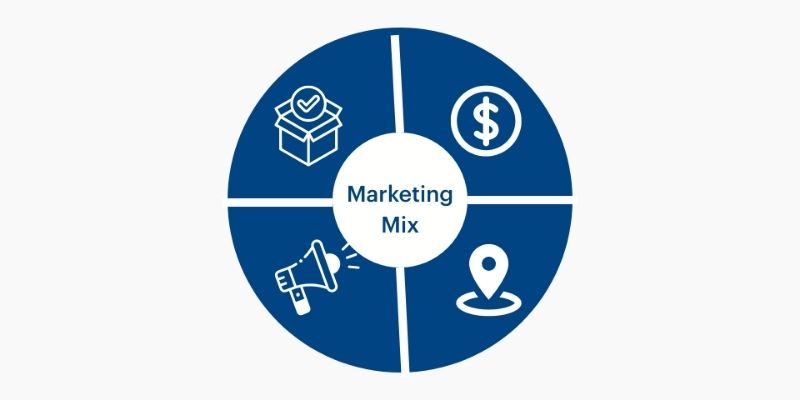
The traditional Marketing Mix is built on four foundational pillars — Product, Price, Place, and Promotion. Each element plays a distinct role, yet they are deeply interconnected. Marketers must consider how decisions in one area affect the others. Below is a detailed breakdown of how each component contributes to an effective marketing strategy.
| Component | Definition | Key Considerations |
| Product | The goods or services offered to the market | Features, quality, branding, lifecycle stage |
| Price | The amount customers pay for the product | Pricing strategy, perceived value, competitive positioning |
| Place | How and where the product is distributed | Distribution channels, logistics, market coverage |
| Promotion | Communication strategies to inform and persuade | Advertising, PR, digital marketing, sales promotions |
| People | Everyone involved in delivering the product or service | Staff training, customer service, brand ambassadors |
| Process | The systems used to deliver the offering | Service delivery, user experience, operational flow |
| Physical Evidence | Tangible proof of the brand’s quality and presence | Packaging, store environment, website design |
How to apply the Marketing Mix in real-world strategy
Applying the Marketing Mix effectively requires more than theoretical knowledge — it demands contextual judgment and continuous refinement. Businesses that succeed are those that treat the model as a living framework, regularly revisiting each element as market conditions shift. From startups to enterprise-level organizations, the practical application of this model can differ significantly depending on industry, audience, and competitive landscape.
Aligning product and pricing decisions
When developing a product strategy, the Marketing Mix demands that pricing decisions be made in direct alignment with the product’s perceived value. A luxury brand that underprices its offerings risks eroding customer trust, while an innovative product priced too high for its target segment may struggle with adoption. Successful brands like Apple have mastered this balance, using premium pricing to reinforce product quality and brand prestige simultaneously.
Optimizing distribution and placement
Place within the Marketing Mix has transformed dramatically in the digital age. Omnichannel distribution — combining physical retail with e-commerce and mobile platforms — has become the standard for consumer-facing brands. Choosing the right distribution channel isn’t just about reach; it’s about ensuring that the customer experience remains consistent and frictionless across every touchpoint, from discovery to post-purchase support.
Building a promotion strategy that converts
Promotion is often the most visible element of the Marketing Mix, encompassing everything from social media campaigns to influencer partnerships and paid search advertising. Effective promotion isn’t about shouting louder — it’s about communicating the right message to the right audience at the right moment. Agencies like ADVENTURE MEDIA specialize in crafting integrated promotional strategies that align with each client’s unique positioning and business objectives.
Expanding beyond 4Ps: the modern Marketing Mix
As marketing has evolved — particularly with the rise of service industries and digital commerce — the classic 4Ps model has been extended into the 7Ps framework. This expanded version of the Marketing Mix adds People, Process, and Physical Evidence to address the complexities of delivering services and managing customer experience. For businesses operating in sectors like hospitality, SaaS, or financial services, these additional elements are not optional additions — they are critical determinants of brand perception and customer loyalty.

People as a strategic asset
In service-oriented businesses, people are arguably the most powerful element of the Marketing Mix. Every employee who interacts with a customer becomes a brand representative. Investing in training, culture, and employee experience directly impacts how customers perceive the brand. Companies that treat their workforce as a strategic marketing asset consistently outperform competitors in customer satisfaction and long-term retention metrics.
Process and physical evidence in digital environments
In digital-first businesses, process refers to the user journey — from the moment a visitor lands on a website to the point of conversion and beyond. A seamless, intuitive process reduces friction and increases conversion rates. Physical evidence, meanwhile, manifests as website design, brand consistency, customer reviews, and packaging. Together, these elements of the Marketing Mix shape the overall brand experience in ways that are both measurable and deeply impactful for customer trust.
Integrating data into every Marketing Mix decision
Modern marketers have access to unprecedented volumes of data, and integrating analytics into each element of the Marketing Mix has become a competitive differentiator. From A/B testing pricing strategies to analyzing distribution channel performance, data-driven decision-making ensures that every component of the mix is optimized for maximum impact. Brands that embed analytics into their marketing operations are better positioned to respond to market shifts with agility and precision.
Conclusion
The Marketing Mix remains one of the most enduring and practical frameworks in modern marketing. From the foundational 4Ps to the expanded 7Ps model, it provides businesses with a structured approach to aligning product, pricing, distribution, and communication strategies with market needs. Whether you’re a seasoned marketer or just entering the field, mastering this framework is essential for building campaigns that truly resonate and deliver measurable results.