
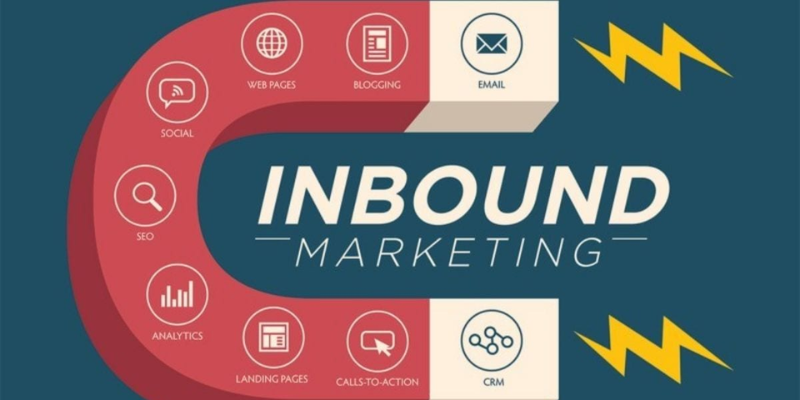
Inbound Marketing is a strategic approach focused on attracting customers through relevant content and experiences rather than intrusive advertisements. By creating tailored content that addresses the specific pain points of your target audience, businesses can build lasting relationships based on trust and value. This methodology ensures that your marketing efforts are helpful, human, and highly effective in a digital-first economy.
Understanding the Core Philosophy of Inbound Marketing
The primary goal of Inbound Marketing is to empower consumers by providing the information they need to make informed purchasing decisions. Unlike outbound methods that interrupt the user experience, this strategy respects the customer’s journey and provides value at every touchpoint. By aligning your content with your customer’s interests, you naturally attract high-quality traffic that is more likely to convert.
The Attract Stage: Turning Strangers into Visitors
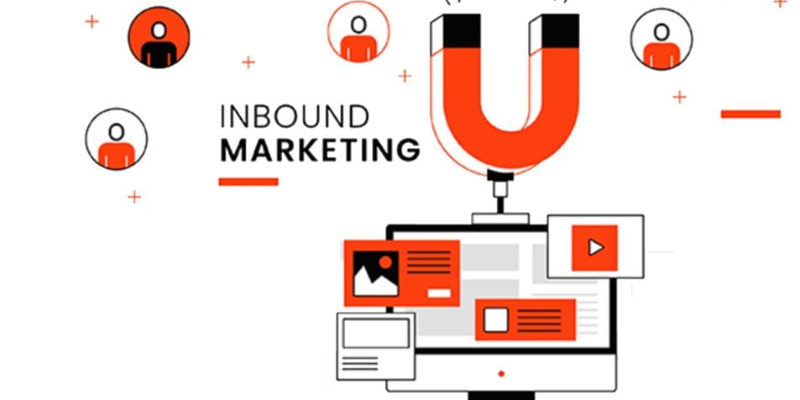
In the initial phase of the inbound methodology, the focus is on drawing the right people to your website through search engine optimization and blogging. Providing educational resources helps establish your brand as a thought leader and a reliable source of information within your industry. When users find answers to their questions on your site, they begin to associate your brand with helpfulness and expertise.
The Engage Stage: Building Trust and Rapport
Once visitors have arrived, the engagement phase focuses on building relationships through personalized communication and targeted email marketing. By offering deeper insights or exclusive resources, you can nurture leads and guide them through the middle of the sales funnel. This stage is about proving your value and showing potential customers that you truly understand their unique challenges.
The Delight Stage: Creating Brand Evangelists
The final stage of Inbound Marketing involves going above and beyond to ensure your customers are successful with your product or service. Happy customers are more likely to become loyal advocates who promote your brand through word-of-mouth and positive reviews. Continuous support and valuable post-purchase content ensure that the relationship thrives long after the initial sale is closed.
Essential Components of a Modern Inbound Marketing Plan
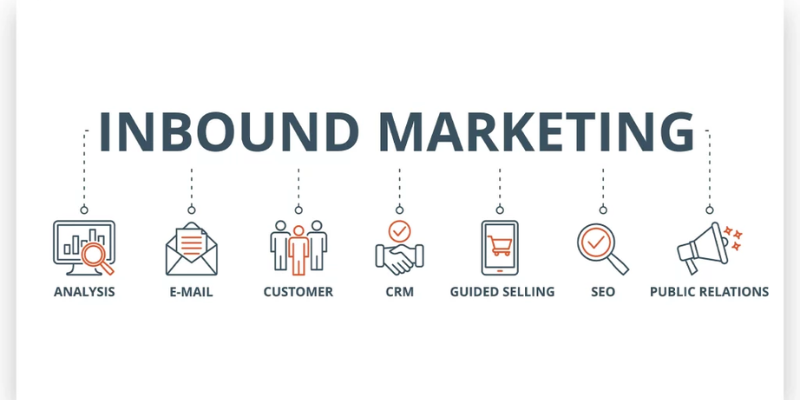
A successful Inbound Marketing plan requires a multi-faceted approach that combines creative storytelling with technical data analysis. Each element of the strategy must work in harmony to provide a seamless experience for the user across different platforms. Investing in these core areas allows businesses to scale their growth without relying on increasingly expensive paid advertising channels.
Content Strategy and Quality Production
Content is the engine that drives every inbound campaign, ranging from long-form articles to interactive tools and video tutorials. High-quality content must be original, deeply researched, and optimized for both human readers and search engine algorithms. Adventure Media suggests that focusing on topical authority is the best way to maintain long-term visibility in a competitive market.
Search Engine Optimization (SEO) Fundamentals
SEO ensures that your valuable content is discoverable by the people who are actively searching for the solutions you offer. By optimizing on-page elements and building a healthy backlink profile, you increase your chances of ranking on the first page of results. Technical SEO also plays a vital role in providing a fast, secure, and mobile-friendly experience for your visitors.
Social Media Integration and Community Building
Social media platforms act as distribution channels that amplify your reach and allow for real-time interaction with your target audience. Engaging with followers and participating in industry discussions helps humanize your brand and creates a community around your values. Social signals also indirectly support your broader Inbound Marketing efforts by driving consistent traffic to your main website.
Measuring the Success of Your Inbound Marketing Efforts
To refine your strategy, you must track specific performance indicators that reflect the true health of your marketing funnel. Data-driven insights allow you to identify which content pieces are resonating and which stages of the journey need further optimization. Regular auditing ensures that your resources are allocated to the tactics that produce the highest return on investment.

Conversion Rates and Lead Quality
Tracking conversion rates helps you understand how effectively your website turns casual browsers into identified leads or paying customers. It is equally important to measure lead quality to ensure that the marketing team is passing high-intent prospects to the sales department. High volume is meaningless if the traffic does not eventually result in revenue growth for the organization.
Customer Acquisition Cost (CAC) Analysis
Inbound Marketing is often celebrated for its ability to lower the total cost of acquiring a new customer over time. By calculating your CAC, you can compare the efficiency of inbound strategies against traditional paid media campaigns. As your organic authority grows, your acquisition costs should steadily decrease, leading to significantly higher profit margins.
Customer Lifetime Value (CLV) Growth
A major benefit of the inbound approach is the focus on long-term retention and increasing the total value of each customer. By delighting your audience, you encourage repeat purchases and reduce the churn rate of your subscription-based services. High CLV indicates that your brand is successfully delivering on its promises and maintaining strong emotional connections with its users.
Conclusion
Mastering Inbound Marketing requires patience, consistency, and a deep commitment to providing genuine value to your target audience. By shifting your focus from selling to helping, you build a sustainable brand that thrives on organic growth and customer loyalty. Ultimately, a well-executed Marketing strategy is the most effective way to achieve long-term success in the modern digital landscape.