
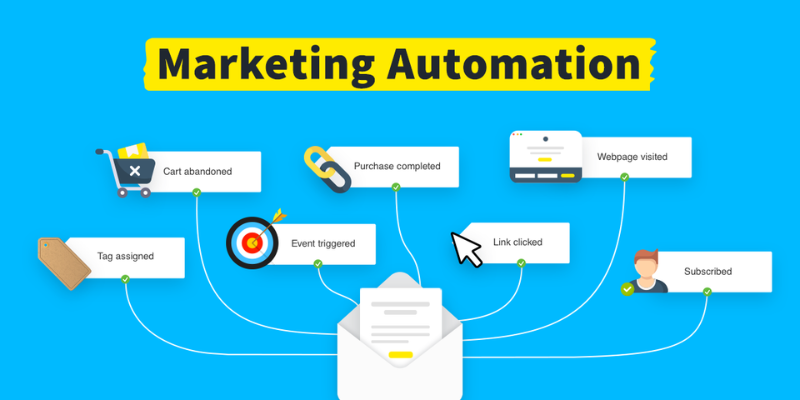
Marketing Automation serves as a vital technological framework that allows businesses to streamline, automate, and measure marketing tasks and workflows. By leveraging specialized software, companies can effectively target customers with automated messages across channels such as email, web, and social media. This strategic approach ensures that every lead receives the right content at the exact moment they are most likely to convert.
Core Advantages of Implementing Marketing Automation
Implementing a robust Marketing Automation strategy provides numerous benefits that go far beyond simple time savings for your internal team. It allows for a level of scale and personalization that is physically impossible to achieve through manual intervention alone. By integrating data-driven triggers, brands can maintain a constant presence in the consumer’s digital life without appearing intrusive.

Enhancing Operational Efficiency and Team Productivity
One of the primary benefits is the significant reduction in repetitive administrative tasks that often bog down creative departments. Automated workflows handle lead assignments, follow-up emails, and data synchronization across various internal platforms seamlessly. This allows your marketing specialists to focus on high-level strategy and creative development rather than manual data entry.
Improving Lead Management and Nurturing Processes
Effective Marketing Automation platforms provide sophisticated tools for lead scoring and behavioral tracking to identify high-intent prospects. By assigning values to specific actions, your sales team can prioritize follow-ups with the individuals most likely to make a purchase. Consistent nurturing ensures that cold leads are gradually warmed up until they are ready for a direct sales conversation.
Delivering Personalized Customer Experiences at Scale
Modern consumers expect a tailored experience that reflects their unique interests and past interactions with your professional brand. Automation allows you to segment your audience dynamically and deliver content that speaks directly to their specific pain points. Personalization at this level builds deeper trust and fosters long-term loyalty among your diverse customer base.
Essential Components of a Marketing Automation Plan
A successful Marketing Automation journey requires more than just purchasing software; it demands a clear strategic vision and high-quality data. Each component must be carefully configured to support the overarching business goals and provide a cohesive user experience. When these elements work in harmony, the system becomes a powerful engine for sustainable and predictable growth.

Email Marketing Integration and Workflow Triggers
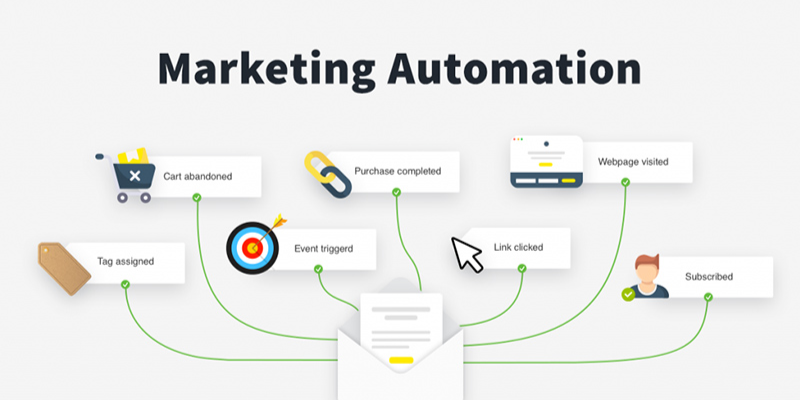
Email remains the most effective channel for automated communication due to its direct nature and high return on investment. Triggers based on website visits, link clicks, or abandoned carts ensure that your messaging is always contextually relevant to the user’s journey. Adventure Media suggests that well-timed automated emails can significantly boost retention rates without increasing your daily workload.
CRM Synchronization and Data Integrity Standards
For Marketing Automation to function correctly, it must be perfectly synchronized with your Customer Relationship Management system. This connection ensures that both marketing and sales teams have access to the same real-time data regarding lead status. Maintaining high data integrity prevents duplicate communications and ensures that your brand voice remains consistent across all departments.
Landing Page and Lead Capture Form Optimization
The quality of your automated workflows is directly dependent on the data you collect through your lead capture forms. Optimizing these touchpoints for conversion ensures a steady flow of new contacts into your automated nurturing funnels. Using progressive profiling allows you to collect more information over time without overwhelming the user during their first interaction.
Strategies for Sustaining Marketing Automation Success
To maintain a competitive edge, businesses must treat their Marketing Automation systems as evolving assets that require regular maintenance. Stagnant workflows often lead to decreasing engagement rates as consumer preferences and market trends change over time. Continuous optimization is the secret to ensuring that your automated efforts continue to deliver value to both the company and the customer.
Developing a Content Matrix for Automated Sequences
A content matrix helps you map specific assets to different stages of the buyer’s journey within your automated system. This ensures that a new visitor receives educational content while a returning lead gets a more direct product comparison. Providing a diverse range of formats, such as videos or case studies, keeps your automated sequences fresh and engaging.
Implementing Rigorous A/B Testing Protocols
Regularly testing different variables within your automated campaigns is essential for identifying what truly resonates with your target audience. You can experiment with various subject lines, send times, and call-to-action buttons to maximize your open and click rates. Small, incremental improvements in these metrics can lead to massive gains in total revenue over a fiscal year.
Monitoring Key Performance Indicators and System Health
Tracking the right metrics allows you to spot underperforming workflows before they negatively impact your overall brand reputation. High unsubscribe rates or low engagement signals may indicate that your Marketing Automation frequency is too high or the content is irrelevant. Auditing your system health ensures that your technical infrastructure remains reliable and your deliverability rates stay high.
Conclusion
In conclusion, Marketing Automation is an indispensable tool for any modern organization aiming to thrive in an increasingly digital and competitive marketplace. By combining technical precision with a human-centric approach, you can create meaningful connections with your audience at every stage. Ultimately, a well-executed automation strategy turns complexity into clarity, allowing your business to scale efficiently and effectively.